Identifying Venomous vs. Non-Venomous Snakes and When to Call a Professional
People seeking to identify venomous versus non-venomous snakes and when to call a professional can rely on local contractors who specialize in safe snake removal and expert identification.
Understanding how to distinguish between venomous and non-venomous snakes is essential for property owners who want to keep their outdoor spaces safe. Recognizing key differences in appearance, behavior, and habitat can help prevent unnecessary alarm and ensure appropriate responses when encountering these reptiles. Many residents in the area may find this knowledge useful for outdoor activities, yard maintenance, or simply gaining peace of mind about the safety of their property. When uncertainty arises, knowing when to seek assistance from experienced service providers can make a significant difference in managing the situation effectively.
Professional snake removal services offered by local contractors are equipped to handle situations involving both venomous and non-venomous snakes. These experts can accurately identify the species and determine the best course of action to remove the animal safely and humanely. Property owners are encouraged to keep this information in mind and consider reaching out to trusted local service providers when encountering a snake that they cannot confidently identify or if the presence of a snake poses a concern. Continuing to learn about snake identification and understanding when to call a professional can help maintain a safe and secure outdoor environment.
- Venomous snake removal - is needed when a venomous snake is spotted in or around the property, and local contractors can safely handle identification and removal.
- Non-venomous snake removal - becomes necessary when non-venomous snakes are found in areas where they may pose a nuisance or safety concern, with local service providers managing humane removal.
- Identifying venomous vs. non-venomous snakes - is crucial for safety, and experienced local contractors can assess snake characteristics to determine the appropriate response.
- When to call a professional - is advised if there's uncertainty about a snake's species or if it is in a hard-to-reach area, with local experts providing safe removal and advice.
- Snake prevention and removal services - are recommended when frequent sightings occur, helping homeowners understand the risks and ensuring proper handling by local specialists.
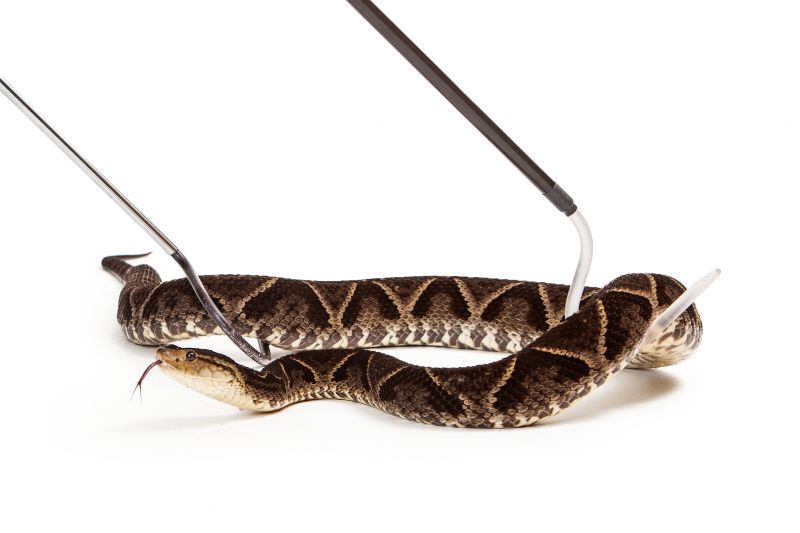
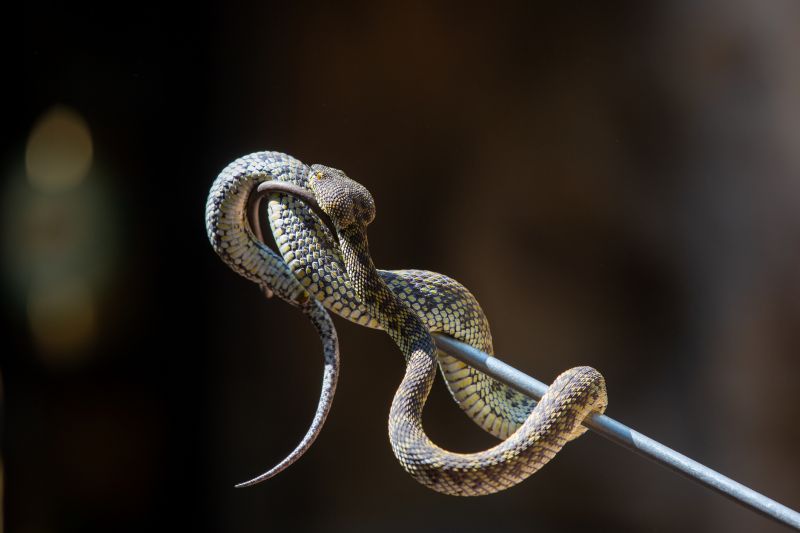
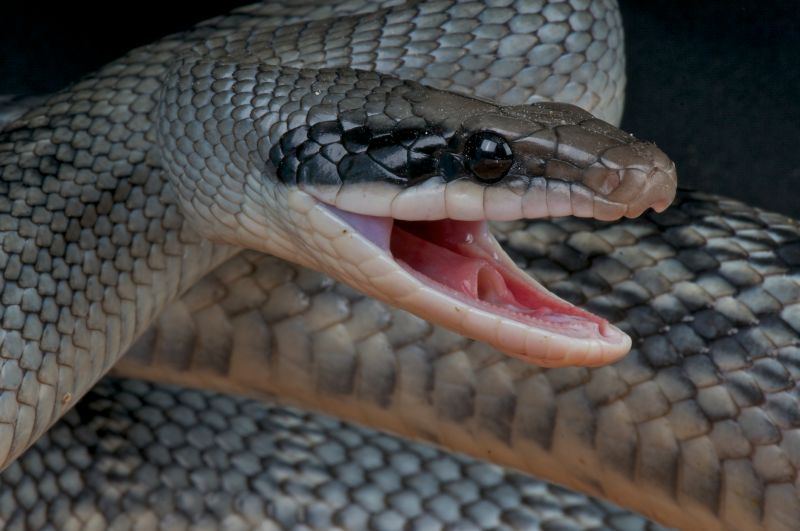
People searching for information on identifying venomous versus non-venomous snakes often do so out of concern for safety and property protection. Homeowners may encounter snakes in their yards, gardens, or near outbuildings and want to determine whether the creature poses a threat. This topic relates to planning safe removal strategies, preventing future encounters, and understanding when professional intervention is necessary. Common problems include accidental encounters with snakes that may be hiding under decks, in sheds, or along fences, especially in areas where snake activity is prevalent. By understanding how to distinguish between venomous and non-venomous species, property owners can make informed decisions about whether to attempt removal themselves or to seek help from experienced snake removal service providers.
Identifying venomous versus non-venomous snakes involves recognizing specific physical features and behaviors. Many homeowners look for clues such as head shape, eye pupils, patterns, and coloration. For example, venomous snakes often have a triangular or arrow-shaped head, vertical slit pupils, and distinctive markings. Non-venomous species may have rounder heads and different patterns that are more uniform or less threatening in appearance. However, visual cues can sometimes be misleading, especially for those unfamiliar with local snake species. This is where understanding the types of properties where these snakes are likely to be found becomes important. Residential yards, parks, and rural properties with dense shrubbery, wood piles, or tall grass are common environments where both venomous and non-venomous snakes may appear, making accurate identification crucial for safety.
When it comes to handling potential snake encounters, knowing when to call a professional is essential. If a snake is found in a hard-to-reach area or if there is uncertainty about its species, contacting a trusted snake removal specialist is the safest course of action. Professionals can accurately identify the snake and determine whether it is venomous or non-venomous, reducing the risk of bites or other accidents. Property owners should also consider calling a professional if they spot multiple snakes, find snakes in or near inhabited spaces, or if a snake appears injured or aggressive. Local snake removal service providers are equipped to handle these situations carefully and efficiently, ensuring both safety and humane treatment of the animals involved.
Understanding the role of local snake removal experts in these situations helps homeowners navigate the complexities of snake encounters more confidently. These service providers are familiar with the regional snake species and their habitats, allowing them to assess the situation accurately. They can safely remove venomous snakes to prevent potential harm and relocate non-venomous ones if appropriate. Engaging with professionals not only mitigates immediate safety concerns but also helps property owners implement preventative measures to reduce future encounters. Recognizing the importance of professional assistance in identifying venomous versus non-venomous snakes and knowing when to seek help is a key part of maintaining a safe and snake-aware property environment.
Wildlife Identification Projects - These projects involve distinguishing various snake species and understanding their habitats, which aligns with identifying venomous vs. non-venomous snakes and when to call a professional.
Outdoor Safety Planning - Planning safe outdoor spaces requires knowledge of local snake species and when professional assistance is needed to handle potentially dangerous encounters.
Habitat Inspection Services - Inspecting residential or commercial properties for snake activity helps determine if professional removal is necessary based on snake identification.
Wildlife Removal Consulting - Providing guidance on safe removal methods and species recognition supports understanding when expert intervention is appropriate for snake-related issues.
Pest and Wildlife Control Projects - These projects often include identifying and managing venomous and non-venomous snakes, highlighting the importance of professional expertise for safe removal.
Educational Workshops on Local Wildlife - Workshops focused on snake identification and safety educate the community about when to seek professional help for snake encounters.
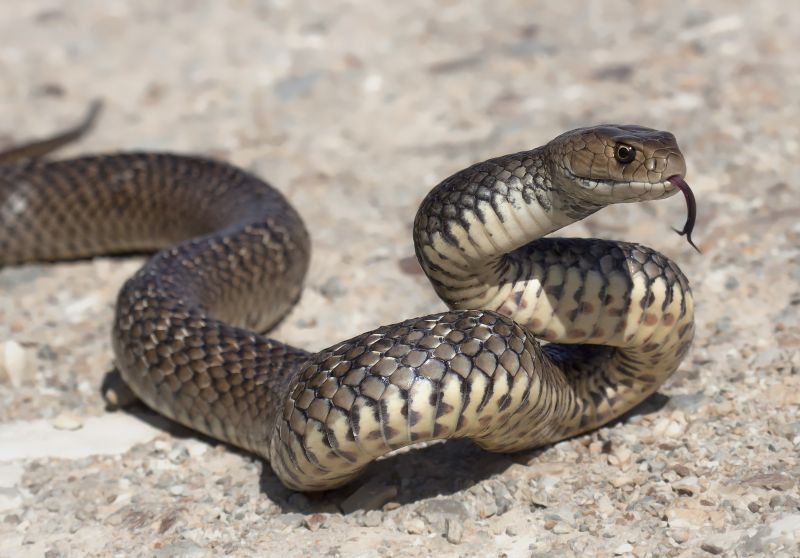
When comparing local contractors for identifying venomous vs. non-venomous snakes and when to call a professional, experience with similar projects is a key factor. Homeowners should inquire about a service provider’s familiarity with snake identification and removal in residential settings, ensuring they understand how to distinguish between different species safely and accurately. Contractors with a proven track record in handling snake-related situations are more likely to provide reliable assessments and effective removal strategies, reducing the risk of misidentification or improper handling.
Clear written expectations are essential when evaluating snake removal services. Homeowners should seek detailed information about what the service includes-such as assessment, safe removal, and advice on prevention-so that there are no misunderstandings. A reputable service provider will be transparent about their process, ensuring that homeowners know what to expect and can compare offerings confidently. This clarity helps in choosing a provider that aligns with the specific needs of the property and ensures that all aspects of identifying venomous vs. non-venomous snakes and when to call a professional are addressed thoroughly.
Reputable references and good communication are vital components when selecting local contractors for snake-related concerns. Homeowners should look for providers with positive feedback or testimonials from previous clients, particularly those who had similar projects. Effective communication-whether through prompt responses or clear explanations-can make the process smoother and more transparent. Choosing a service provider known for professionalism and responsiveness can help ensure that identifying venomous versus non-venomous snakes and deciding when to involve a professional is handled with care and expertise.
Property owners often search for identifying venomous vs. non-venomous snakes and when to call a professional when they are planning practical projects around their homes and businesses. Local pros provide Venomous and Non-Venomous Snake Removal services for everyday jobs and straightforward project options.

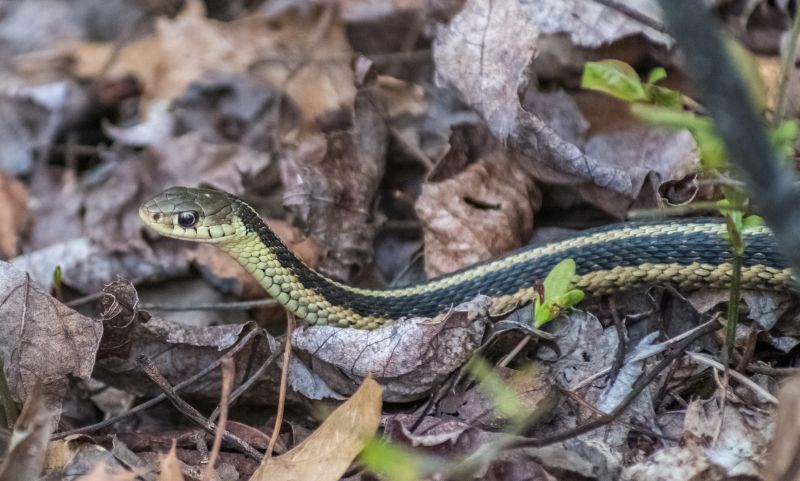
Understanding how to identify venomous versus non-venomous snakes can be essential for property owners dealing with snake encounters during outdoor projects or routine yard maintenance. Recognizing key differences, such as head shape, color patterns, and eye characteristics, helps determine whether a snake poses a potential threat. When unsure, property owners are encouraged to seek assistance from local contractors who specialize in snake removal, as they can accurately assess the situation and safely handle the removal process, reducing the risk of bites or other incidents.
In situations where a snake is found in a residential area or near a workspace, knowing when to call a professional is crucial. If a snake is in a hard-to-reach place, or if there's uncertainty about whether it is venomous, it’s safer to rely on experienced service providers. These local snake removal experts have the tools and knowledge to identify the species correctly and remove it humanely. Engaging with professionals ensures the job is handled safely and efficiently, especially when property owners are unsure about the snake’s type or behavior.
How can I tell if a snake is venomous or non-venomous? Recognizing key features like head shape, eye pupils, and color patterns can help distinguish venomous from non-venomous snakes. However, accurately identifying a snake often requires expert knowledge, so local contractors experienced in snake identification can provide reliable assessments.
What signs indicate I should call a professional for snake removal? If you encounter a snake in your yard or home and are unsure whether it is venomous, or if the snake is difficult to access, it’s safest to contact experienced snake removal services. Professionals can safely handle and remove the snake to prevent risks.
Are there specific physical traits to identify venomous snakes? Venomous snakes often have distinctive features such as triangular heads, slit-like pupils, and specific color markings. Nonetheless, these traits can vary, so consulting with local snake removal experts ensures proper identification and safe removal.
When should I avoid trying to remove a snake myself? If the snake appears to be venomous or if you are unsure about its species, it’s best to leave removal to trained professionals. They have the expertise and equipment to handle potentially dangerous snakes safely.
How do local snake removal services handle venomous snake situations? Experienced service providers use specialized tools and techniques to safely capture and remove venomous snakes, minimizing risk to people and pets. They can assess the situation and ensure proper removal and relocation of the snake.
Recognizing venomous snake features - property owners can learn to identify key characteristics of venomous snakes to better assess when professional removal is necessary.
Understanding non-venomous snake behavior - observing how non-venomous snakes move and react can help determine if they pose a threat and when to seek expert assistance.
Knowing when to call a professional - recognizing signs of a snake infestation or dangerous species can guide property owners to contact local snake removal service providers.
Implementing safety measures on the property - applying practical steps to reduce snake habitats and knowing the limits of DIY efforts can ensure safety until professionals handle the situation.
If you are thinking about identifying venomous vs. non-venomous snakes and when to call a professional for a property, this guide is meant to help you understand this topic, the typical project types, and how different options might fit your plans.
When you are ready, you can use the quote form on this page to share a few details about your project. From there, local pros can review the basics and follow up with options that match what you have in mind.